
Summary
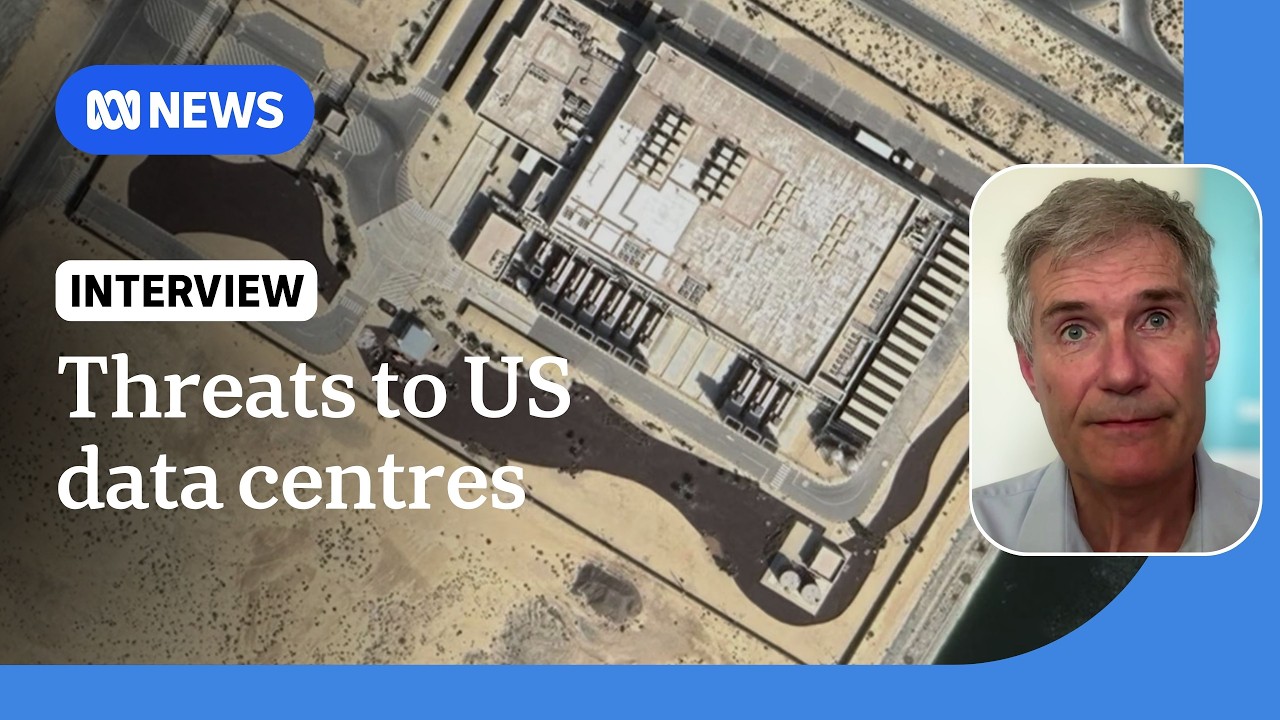
The IRGC's threats have significant implications for the tech industry, with billions of dollars in US technology and infrastructure tied up in the Gulf. The region has become a hub for **AI development**, with companies like **Palantir** building data architecture for Pentagon artificial intelligence programs. The US Defense Department's reliance on commercial vendors with operations in the region has created a complex web of interests, making it challenging to distinguish between military and civilian targets. For more on the role of AI in modern warfare, see [[ai-in-warfare|AI in Warfare]]. As the conflict continues to escalate, it is essential to consider the potential consequences for the global economy and the future of international relations. To learn more about the global economy, visit [[global-economy|Global Economy]].
Key Takeaways
- The IRGC has released a target list of over a dozen American companies, including Apple, Google, and Microsoft
- The US military has responded with air strikes against IRGC drone networks
- The conflict has the potential to escalate into a full-scale war, which could have devastating consequences for the region and the global economy
- The situation raises questions about the role of cyber warfare in modern conflict and the potential consequences for the global economy
- The international community should come together to condemn Iran's actions and impose sanctions to limit its ability to wage war
Balanced Perspective
The situation is complex, and it is difficult to predict the outcome. The IRGC's threats are serious, and the US military's response has already caused significant damage to Iran's infrastructure. The conflict has the potential to escalate into a full-scale war, which could have devastating consequences for the region and the global economy. The fact that the IRGC is targeting US tech firms highlights the blurred lines between military and civilian targets in modern warfare. For more on the challenges of modern warfare, see [[modern-warfare|Modern Warfare]]. It is essential to consider the perspectives of all parties involved and to seek a peaceful resolution to the conflict. To learn more about conflict resolution strategies, visit [[conflict-resolution|Conflict Resolution]].
Optimistic View
The IRGC's threats may be a bluff, and the US military's response has already slowed the aerial campaign. The temporary pause in strikes on Iran's energy infrastructure could be a sign of a potential peace talks, which could lead to a de-escalation of the conflict. The fact that the IRGC is targeting US tech firms could also be seen as a sign of weakness, as they are unable to directly attack US military targets. For more on the potential for peace talks, see [[peace-talks|Peace Talks]]. Additionally, the international community may come together to condemn Iran's actions and impose sanctions, which could further isolate the country and limit its ability to wage war. To understand the role of international organizations in conflict resolution, visit [[international-organizations|International Organizations]].
Critical View
The IRGC's threats are a sign of a larger and more sinister plan to disrupt the global economy and create chaos in the region. The US military's response has already caused significant damage to Iran's infrastructure, and the conflict has the potential to escalate into a full-scale war. The fact that the IRGC is targeting US tech firms highlights the vulnerability of the global economy to cyber attacks and the potential for widespread disruption. For more on the risks of cyber attacks, see [[cyber-attacks|Cyber Attacks]]. The conflict could also lead to a wider regional war, drawing in other countries and causing significant human suffering. To understand the potential consequences of a regional war, visit [[regional-war|Regional War]].
Source
Originally reported by WIRED