
Summary
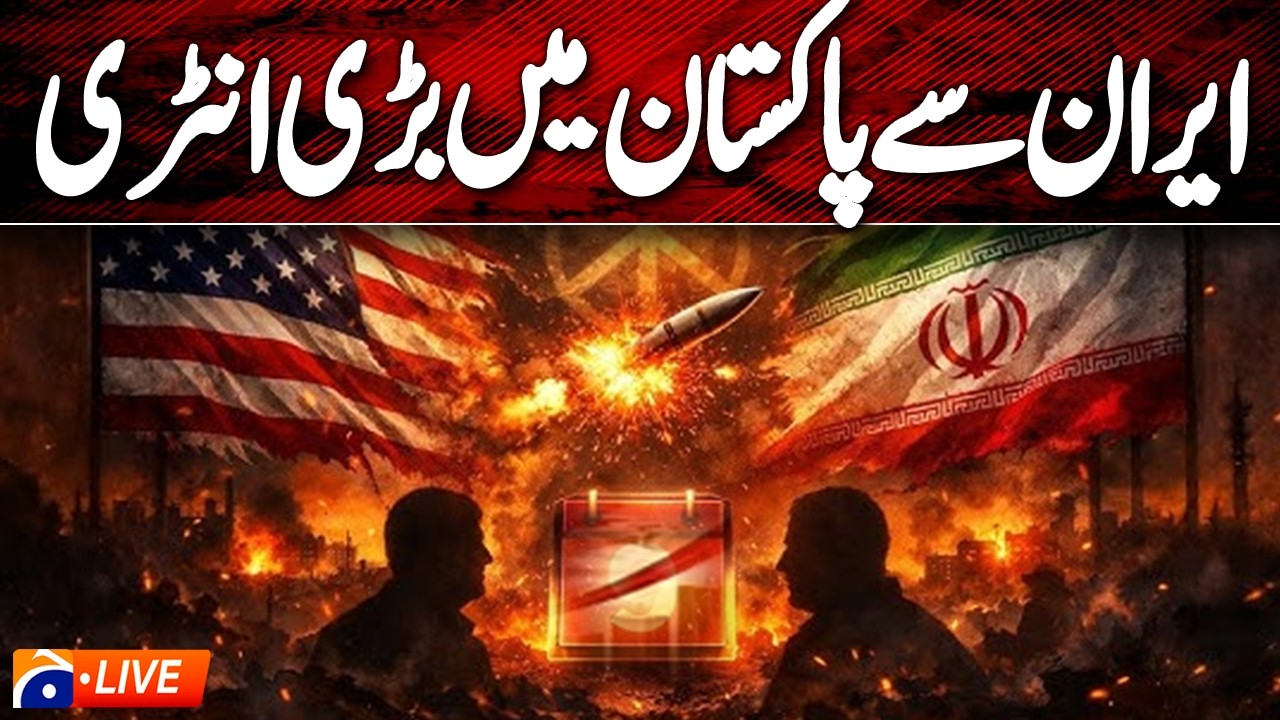
Iranian Foreign Minister **Abbas Araghchi** has arrived in Pakistan, but **no meeting is planned** with US envoys, according to reports. This development comes as tensions between the US and Iran remain high, with the US having recently imposed **new sanctions** on Iranian officials. The situation is further complicated by the involvement of other regional players, including **Pakistan** and **Israel**. As the diplomatic efforts continue, the international community remains on high alert, with many fearing the possibility of **escalation**. The US has been seeking to negotiate a **new nuclear deal** with Iran, but Tehran has thus far refused to engage in direct talks. The situation is being closely watched by other countries, including **China** and **Russia**, which have significant economic and strategic interests in the region. For more information, see [[iran-us-relations|Iran-US relations]] and [[middle-east-geopolitics|Middle East geopolitics]].
Key Takeaways
- The US and Iran are engaged in a high-stakes game of diplomatic chicken, with the US seeking to negotiate a new nuclear deal and Iran refusing to engage in direct talks
- The involvement of other regional players, such as Pakistan and Israel, adds an additional layer of complexity to the situation
- The US's imposition of new sanctions on Iranian officials may escalate the situation and lead to further tensions and conflict
- The conflict between the US and Iran has significant implications for global security and regional stability
- It is essential to support diplomatic efforts and encourage dialogue between the US and Iran to address the conflict
Balanced Perspective
The current situation between the US and Iran is **highly complex** and **fluid**, with many different players and interests at stake. While the fact that Iranian and US officials are engaging in indirect negotiations is a **positive development**, it is still unclear whether these talks will ultimately lead to a **breakthrough**. The involvement of other regional players, such as **Pakistan** and **Israel**, adds an additional layer of complexity to the situation. For more information, see [[israel-iran-relations|Israel-Iran relations]] and [[middle-east-conflict|Middle East conflict]].
Optimistic View
The fact that Iranian and US officials are engaging in indirect negotiations through intermediaries is a **positive development**, as it suggests that both sides are still committed to finding a peaceful resolution to the conflict. The involvement of **Pakistan** and other regional players could also help to facilitate a **breakthrough**, as they may be able to bring new ideas and perspectives to the table. Furthermore, the US's willingness to impose **new sanctions** on Iranian officials may be seen as a **tactical move** to increase pressure on Tehran to negotiate. For more information, see [[pakistan-foreign-policy|Pakistan's foreign policy]] and [[us-iran-sanctions|US-Iran sanctions]].
Critical View
The fact that Iranian and US officials are not engaging in direct talks is a **significant obstacle** to finding a peaceful resolution to the conflict. The US's imposition of **new sanctions** on Iranian officials may also **escalate** the situation, leading to further **tensions** and **conflict**. Furthermore, the involvement of other regional players, such as **Pakistan** and **Israel**, may **complicate** the situation and make it more difficult to find a **solution**. For more information, see [[us-iran-conflict|US-Iran conflict]] and [[middle-east-peace-process|Middle East peace process]].
Source
Originally reported by The Independent